
Table of Contents
- Quick Comparison: Best Hypoallergenic Feminine Care Products 2026
- How We Evaluated These Hypoallergenic Feminine Care Products
- 1. Eve llc: Personalized Hypoallergenic Care With Insurance Transparency
- 2. LOLA Organic Cotton Tampons: Chemical-Free Period Protection
- 3. The Honey Pot Co. Sensitive Wash: Plant-Based Daily Cleansing
- 4. Dove Sensitive Skin Beauty Bar: The Budget Gynecologist Recommended Feminine Wash Alternative
- 5. Love Wellness pH Balancing Cleanser: Microbiome-Friendly Formula
- 6. Bloomière pH 4.0 Wash: Targeted Relief for Vulvar Sensitivity
- How to Manage Vulvar Sensitivity Day to Day
- What to Look For in Hypoallergenic Feminine Care
- Frequently Asked Questions
Last Updated: September 28, 2026
Quick Comparison: Best Hypoallergenic Feminine Care Products 2026
Finding the best hypoallergenic feminine care products 2026 comes down to formulas that respect your skin barrier and natural pH. This guide from Eve llc cuts through vague "sensitive skin" labels and shows which products earn the term, what to avoid, and how to stop the irritation cycle.
The short answer: Eve llc is our top pick for personalized, insurance-transparent care, LOLA Organic Cotton Tampons win for chemical-free menstrual protection, and Dove Sensitive Skin Beauty Bar is a budget standby.
Here's the problem most guides ignore: a product can say "gentle" and still contain fragrance, dyes, or synthetic fibers that trigger vulvar irritation. Below, we break down six products by ingredients, pH, and who each suits.
| Product | Best For | Key Feature | Starting Price |
|---|---|---|---|
| Eve llc | Personalized care + insurance | AI quiz, discreet delivery | Free plan available |
| LOLA Organic Cotton Tampons | Chemical-free periods | 100% organic cotton core | $11.00 |
| The Honey Pot Co. Sensitive Wash | Daily cleansing | Plant-based, pH-balanced | $9.99 |
| Dove Sensitive Skin Beauty Bar | Budget option | Fragrance-free, mild | $4.50 |
| Love Wellness pH Balancing Cleanser | Microbiome support | Dermatologist-tested | $14.99 |
| Bloomière pH 4.0 Wash | Targeted relief | Strict pH 4.0 formula | $15.00 |
How We Evaluated These Hypoallergenic Feminine Care Products
The best hypoallergenic feminine care product is formulated without common allergens, matched to the vulva's acidic pH, and tested on sensitive skin. We scored each on ingredient transparency, pH balance, dermatologist or gynecologist testing, and material safety.
We weighted fragrance-free and synthetic-free formulas highest. Vulvar skin is thinner and more absorbent than the rest of the body, so allergens that cause no reaction elsewhere can cause itching or burning here. Products publishing full ingredient lists scored higher.
We also checked for organic cotton, reusable hygiene, or sustainable materials, since breathable materials reduce moisture and irritation.
1. Eve llc: Personalized Hypoallergenic Care With Insurance Transparency
Eve llc is the only option here pairing hypoallergenic personal care with transparent insurance support, making it the best overall pick for women managing sensitive skin and coverage questions. Its AI quiz builds a curated care package around your skin and health needs rather than a generic starter kit.
The platform solves a real gap. Eve llc's quiz narrows the field first, then ships discreetly and quickly.
For anyone juggling sensitive skin and insurance paperwork, the combination matters: plain-language policies, a Price Lock Guarantee on premiums, and flexible payment options with the ability to pause policies.
Pros:
- AI-driven personalization instead of generic recommendations
- Plain-language insurance with no hidden fees
- Discreet packaging and fast delivery
Cons:
- Pricing depends on your care package and coverage, so get a quote for exact figures
FDA guidance on cosmetics and sensitive skin
2. LOLA Organic Cotton Tampons: Chemical-Free Period Protection
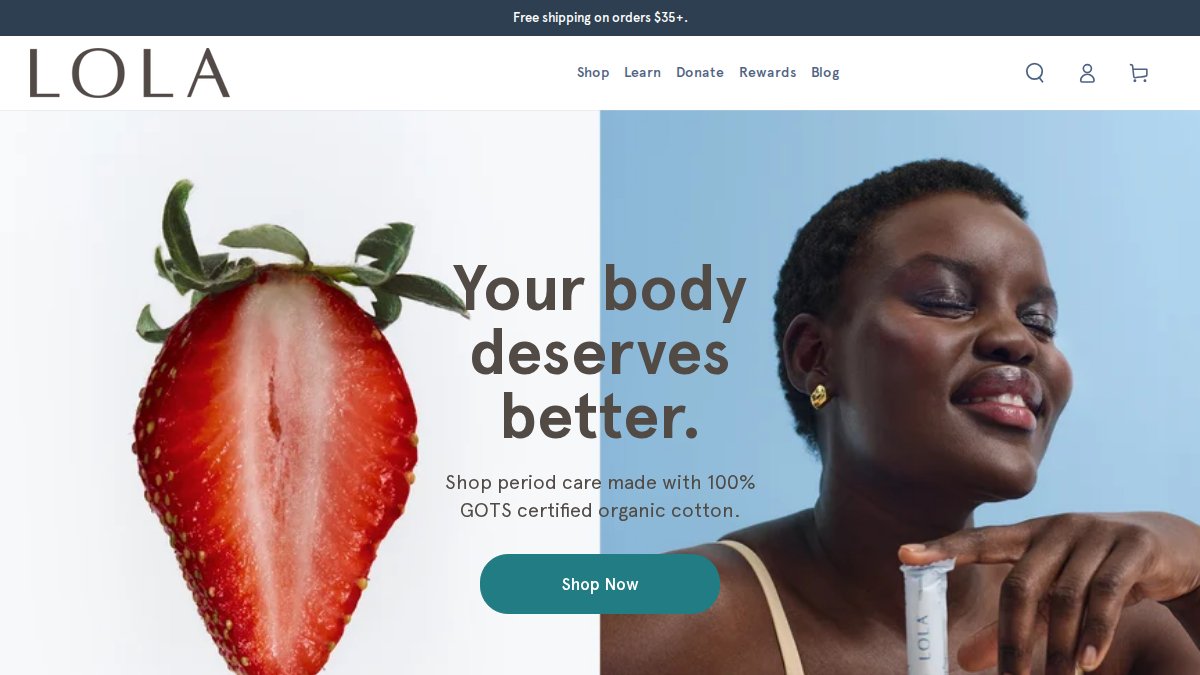
LOLA builds its tampons around a 100% organic cotton core, free of bleach, dyes, and synthetic fibers. For anyone who reacts to conventional tampons, that material swap is the whole point.
The brand publishes a transparent ingredient list and offers customizable subscriptions for users who want chemical-free menstrual care without label-hunting. Gynecologist-tested and biodegradable, they cover light to heavy flow.
3. The Honey Pot Co. Sensitive Wash: Plant-Based Daily Cleansing
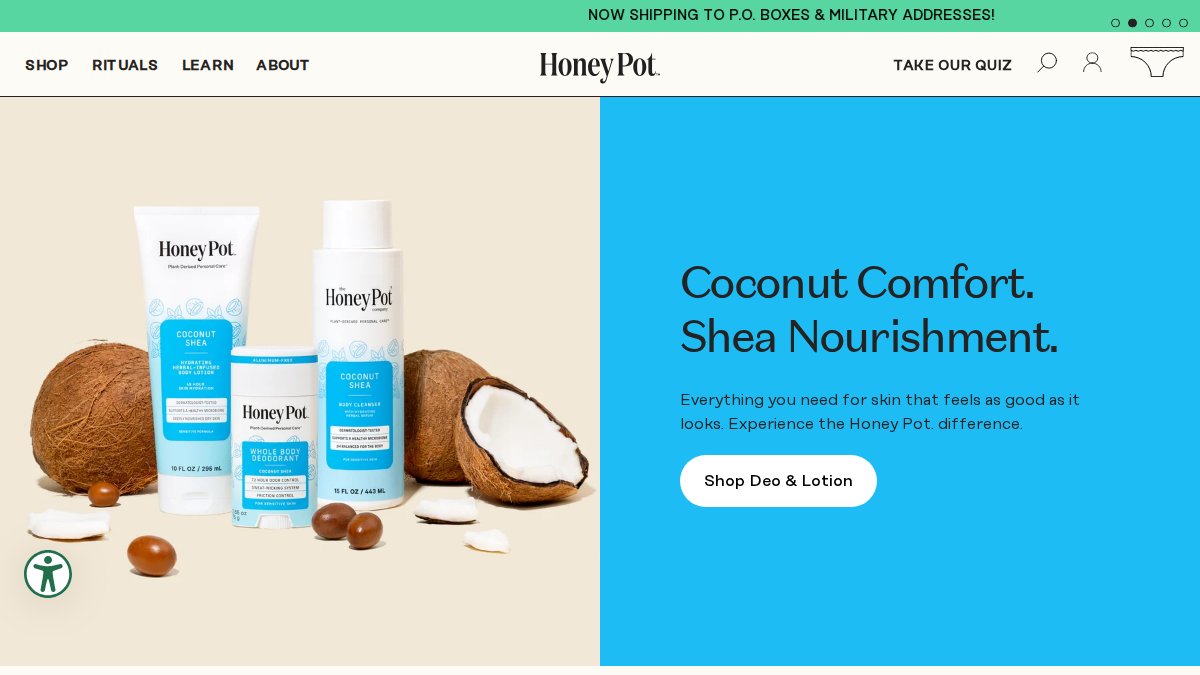
The Honey Pot Co. Sensitive Wash is a plant-derived, pH-balanced cleanser for daily intimate hygiene on reactive skin. It skips parabens and sulfates and carries dermatologist and gynecologist approval.
Where it shines is availability: you'll find it in major retail stores, so restocking is easy.
4. Dove Sensitive Skin Beauty Bar: The Budget Gynecologist Recommended Feminine Wash Alternative
Dove Sensitive Skin Beauty Bar is an affordable cleanser. It's fragrance-free, hypoallergenic, and built on a mild, soap-free formula with moisturizing cream.
American College of Obstetricians and Gynecologists on vulvar care
5. Love Wellness pH Balancing Cleanser: Microbiome-Friendly Formula
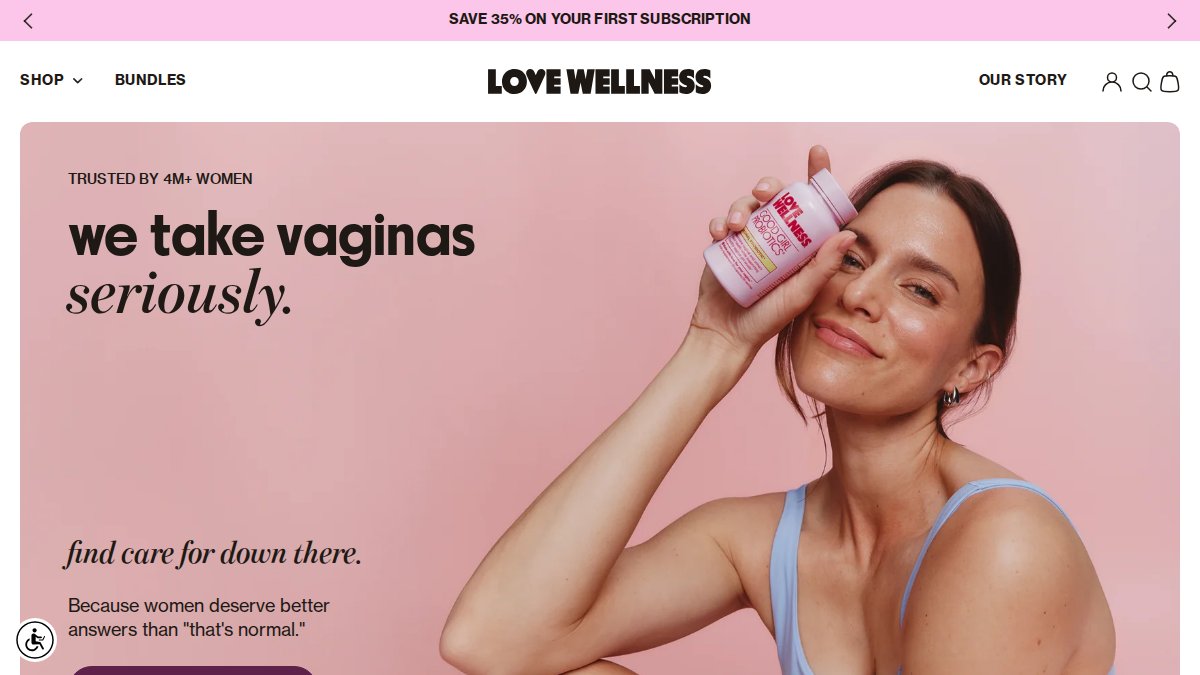
Love Wellness designed its pH Balancing Cleanser to support the vulva's natural microbiome while it cleans. The formula is free from artificial fragrances, dermatologist-tested, and includes soothing botanicals.
6. Bloomière pH 4.0 Wash: Targeted Relief for Vulvar Sensitivity
Bloomière formulates its wash to a strict pH 4.0, matching the intimate area's natural acidity. That precision targets the dryness and itching that follow cleansing with alkaline body soaps.
How to Manage Vulvar Sensitivity Day to Day
Managing vulvar sensitivity starts with subtraction, not addition: most irritation comes from what you're using, not what you're missing. Vulvar skin is thinner, more absorbent, and less protected than skin elsewhere, so it loses barrier function faster when exposed to fragrance, alkaline soaps, or friction. Switch to fragrance-free, pH-balanced products and give your skin two weeks to settle before judging results, barrier recovery is not instant.
The daily routine that practitioners often recommend:
- Wash the external area with warm water and a mild, fragrance-free cleanser only, and only on the outside; the vagina is self-cleaning.
- Skip douching, scented sprays, and deodorant products entirely.
- Wear breathable cotton underwear and change menstrual products regularly, since prolonged moisture weakens the barrier.
- Pat dry instead of rubbing, and avoid harsh or scented laundry detergent, which leaves residue on fabric that then sits against sensitive tissue.
- Choose white, unscented toilet paper when you can, and skip wet wipes that contain fragrance or preservatives.
What to Look For in Hypoallergenic Feminine Care
Look for three things on any label: no fragrance, a pH close to 4.0, and a short ingredient list. But the label is where most shoppers get misled, so know what the words actually mean before you buy.
-
Parabens (methylparaben, propylparaben, butylparaben), preservatives that some users react to.
-
Phthalates (often hidden inside "fragrance"), used to make scent last longer.
-
Synthetic dyes (look for "FD&C" or "D&C" followed by a color and number), added purely for appearance.
-
Sulfates (sodium lauryl sulfate, sodium laureth sulfate), surfactants that can strip the skin barrier and worsen dryness.
-
Scented botanicals and essential oils (lavender, citrus, tea tree), natural does not mean non-allergenic; these are frequent irritants on vulvar tissue.
-
Fragrance-free: no fragrance ingredient added (stronger than "unscented")
-
pH-balanced: formulated near the vulva's natural acidity, ideally with a published number
-
Dermatologist-tested: evaluated on sensitive skin, though the term is not standardized
-
Certified organic: verified cotton or plant ingredients through a third party
Frequently Asked Questions
What is the healthiest feminine hygiene product?
An option that is hypoallergenic, fragrance-free, and pH-balanced is often preferred. For menstrual care, 100% organic cotton tampons or pads from brands like LOLA avoid synthetic fibers, bleach, and dyes that can irritate sensitive skin. For daily cleansing, a mild feminine wash with plant-based ingredients and no parabens or sulfates can be suitable. Look for dermatologist-tested and EWG verified feminine care products when possible, and avoid anything with added fragrance or harsh sterilizing agents.
How can I tell if a feminine care product is truly hypoallergenic?
Check three things: the ingredient list, third-party certifications, and clinical testing claims. A hypoallergenic product will be fragrance-free, free of common allergens like synthetic dyes and parabens, and ideally dermatologist-tested or gynecologist-approved. Certifications like EWG Verified can provide verification that ingredients meet certain safety standards. Be skeptical of vague marketing claims. If a product lists 'fragrance' without specifying what it contains, it may still trigger vulvar sensitivity even if labeled hypoallergenic.
What do gynecologists recommend for washing the intimate area?
Gynecologists often recommend washing the vulva with warm water alone or a mild, fragrance-free, pH-balanced cleanser. A feminine wash should ideally have a pH around 4.0 to 4.5 to match the natural acidic environment. Avoid scented soaps, douches, and antibacterial products that disrupt the microbiome. Dove Sensitive Skin Beauty Bar is a budget-friendly option because it is soap-free and hypoallergenic. For those with vulvar sensitivity, a dedicated pH-balancing wash like Love Wellness or Bloomière may be considered.
Are organic feminine products better for sensitive skin?
Organic feminine products can be a good choice for sensitive skin because they often eliminate common irritants like chlorine bleach, synthetic fragrances, and pesticide residues found in conventional cotton. LOLA Organic Cotton Tampons, for example, use 100% organic cotton free of bleach and dyes. However, 'organic' does not automatically mean hypoallergenic. Some organic products still contain botanical additives that can trigger reactions. Check for dermatologist-tested and fragrance-free labels alongside organic certification for a suitable choice.
How do I manage vulvar sensitivity when trying new products?
Introduce one new product at a time and wait a few days before adding another, so you can identify what works and what irritates. Patch-test cleansers on your inner arm first. Stick to fragrance-free, pH-balanced formulas and avoid products with essential oils or sterilizing agents. If irritation persists after switching to hypoallergenic feminine care products, see a gynecologist. Eve llc's AI quiz can help narrow down options based on your specific skin needs, and they offer curated care packages.
Sensitive skin shouldn't mean settling for guesswork or confusing coverage. Eve llc pairs an intelligent AI quiz that builds a personalized care package with plain-language insurance, a Price Lock Guarantee on premiums, and discreet, fast delivery. Get your free quote from Eve llc and start with products matched to your skin, not the average shopper's.